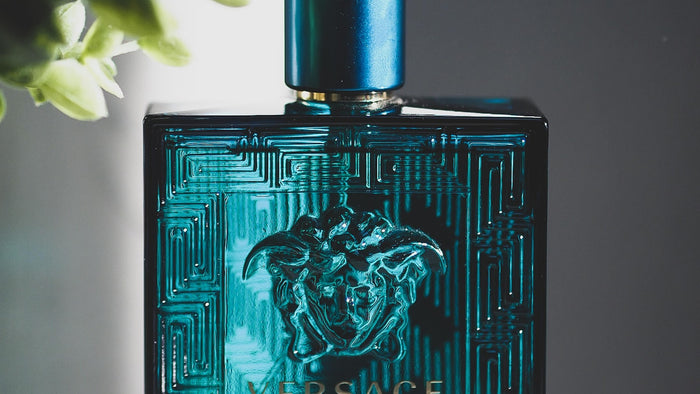
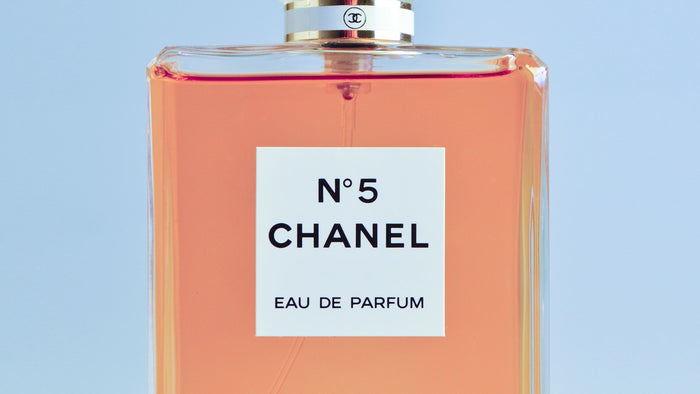
Niche and designer fragrance differ mostly in intent. Designer fragrances are built by fashion houses to please a wide audience and sell at scale. Niche fragrances come from smaller, perfumer-led houses chasing one specific creative idea, often with rarer materials and far less compromise. Neither is automatically better. They want different things, and once you see what each one is optimizing for, choosing gets a lot simpler.
What "niche" actually means (and what it does not)
Niche perfume means a fragrance from a house whose whole business is perfume, not handbags, watches, or ready-to-wear. The house is built around a perfumer's vision rather than a runway. People toss "niche" around to mean "expensive" or "obscure," but that is not the real definition.
What niche usually signals: smaller production runs, a willingness to take risks (a smoky leather, an unapologetic oud, a strange salty floral a mass-market brand would never sign off on), tighter distribution, and often a heavier dose of costly raw materials. What niche does not guarantee: longer wear, better quality control, or that you will actually like it. Some niche releases are genuinely avant-garde. Others are ordinary scents wearing a luxury price and a minimalist bottle. The label tells you about the business model, not about how the juice behaves on your skin.
Where designer fragrances earn their place

Designer fragrances are the ones most of us grew up smelling, and they dominate for a reason. House perfumers are exceptionally good at building compositions that smell good to the largest number of people, in the most situations, without crowding anyone in an elevator. That is a real skill, not a shortcut.
A great designer EDP can be a crowd-pleaser: easy to wear to the office, reliably in stock, and often discounted. If you want a fragrance that simply works, one a partner or colleague reads as "clean and attractive" rather than "interesting," designer is frequently the smarter buy. Plenty of people's lifelong signature scent is a designer release, and there is nothing to apologize for in that. If you are still hunting for yours, our guide on how to find your signature scent walks the process for either category.
Niche vs designer comparison table
| Factor | Designer fragrance | Niche fragrance |
|---|---|---|
| Creativity | Built to please broadly; safer, accessible profiles | Built around a concept; more experimental and polarizing |
| Distribution | Widely available in department stores and online | Limited stockists, boutiques, and specialist retailers |
| Price | Generally lower; frequently discounted | Generally higher per milliliter, with exceptions both ways |
| Performance | Varies by release; many strong performers exist | Varies by release; the niche label does not raise concentration |
| Value | Strong everyday value, especially on sale | Value depends entirely on whether the concept speaks to you |
The honest read on that table: creativity is the only row where niche reliably wins. Everything else comes down to the specific bottle, not the category. Whether a scent is an eau de parfum or a lighter eau de toilette matters more for longevity than the niche versus designer divide does, and our fragrance notes glossary helps you decode what you are actually smelling in either one.
Are niche fragrances worth it? An honest take
Sometimes, completely. If you have worn the popular designer scents and they all start to blur together, the right niche fragrance can feel like hearing music in a genre you did not know existed. You are paying for distinctiveness, for materials you rarely meet in mass releases, and for the quiet thrill of wearing something almost nobody else in the room is wearing.
But "worth it" is personal, not universal. Paying triple for a niche bottle you like only as much as a $70 designer one is not a flex. It is a loss. The smartest fragrance buyers we know own a mix: a couple of dependable designer workhorses and one or two niche scents that genuinely move them. The trap is buying niche blind on hype, then discovering on skin that the famous oud everyone raved about smells like a band-aid on you specifically. Skin chemistry decides everything, and it does not care what you paid.
Try both sides risk-free with decant sampling
This is exactly why we built decant sampling. Rather than gamble a full bottle's price on a scent you have only read about, you can assemble a Build-Your-Own-Kit of decants drawn from both designer and niche houses, wear each one for a full day, and let your own skin and your own nose make the call. A decant gives you several real wears, which is the only honest test, far more telling than a thirty-second spray on a paper strip in a store.
Put a designer crowd-pleaser next to a niche oddity in the same kit and the difference stops being theoretical. You feel it. When you find the one that keeps making you lift your wrist to your nose, that is your answer, and you can step up to the full bottle from our full fragrance catalogue with confidence instead of hope.
Frequently asked questions
Is niche always better than designer?
No. Niche describes a house's business model and creative approach, not a quality grade. Plenty of designer fragrances outperform and out-please niche releases. The better category is whichever one holds the scent your skin loves.
Are niche fragrances longer lasting?
Not as a rule. Longevity depends on concentration, the specific materials, and your skin, not on whether a brand is labelled niche. Some niche scents are deliberately soft and fleeting, and some designer eau de parfums last all day.
Why is niche fragrance more expensive?
Smaller production runs, costlier or rarer raw materials, limited distribution, and the absence of mass-market economies of scale all push niche prices up. You are also paying for exclusivity itself, which is real value to some buyers and irrelevant to others.
What is the difference between niche and designer cologne?
The same distinction applies. A designer cologne is made by a fashion house for broad appeal, while a niche cologne comes from a perfume-focused house chasing a specific creative idea. "Cologne" here usually means a lighter, fresher style rather than a separate quality tier.
How do I choose between niche and designer if I am new to fragrance?
Sample across both before you commit to any full bottle, and notice which notes you keep gravitating toward. Our fragrance FAQ covers the practical questions beginners ask most, and a decant kit lets you compare both worlds on your own skin.