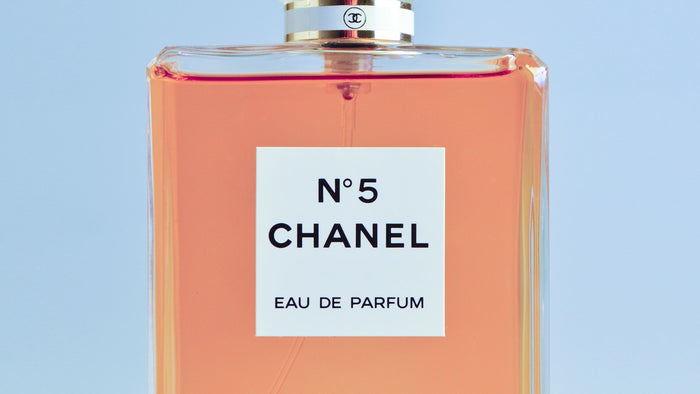
The best spring fragrances are lighter, greener, and more floral than whatever you leaned on all winter. Think fresh cut stems, citrus zest, dewy florals, and airy musks that finally make sense once the days warm up. A winter fragrance wraps you in amber, vanilla, and smoke. A spring scent throws the windows open. It reads clean and transparent instead of dense, and it sits closer to the skin, so it lifts a room rather than filling it.
Here is how we think about spring at Parfumelle: what actually makes a fragrance feel like the season, picks grouped by wearer and by occasion, and the quiet way concentration changes everything once the air turns mild.
What makes a scent read as spring?
Three qualities do most of the work. Miss them and a fragrance can smell wrong for the season no matter how lovely it is on its own.
- Transparency. Spring scents feel see-through. There is light and air between the notes instead of a solid wall of sweetness. That is exactly why so many rich winter gourmands feel heavy the moment the thermometer climbs.
- Green and floral notes. Galbanum, violet leaf, fig leaf, grass, crushed stems: these give that just-clipped garden feeling. Layer in dewy florals like lily of the valley, freesia, peony, or a soft rose and you have spring in a bottle. New to these categories? Our primers on what a fresh fragrance is and what a floral fragrance is break down the note families.
- Moderate projection. Warm air carries scent further, so a fragrance that was polite in January can turn loud by April. Spring rewards restraint. You want something that stays within arm's reach and reveals itself only when someone leans in.
Spring picks by wearer

We group these by note character rather than brand hype, because the note story is what tells you whether a scent will actually work for you. Bring your own preferences to it.
Best spring fragrances for men
Look for crisp citrus and aromatic freshness over a green or woody backbone. Bergamot, grapefruit, and neroli up top; lavender, basil, violet leaf, or vetiver underneath for structure. These read clean and put-together without tipping into heavy or sweet. A bright fougere or an aromatic citrus is the classic spring workhorse.
Best spring fragrances for women
Dewy florals shine here. Lily of the valley, freesia, peony, magnolia, and soft rose, usually lifted with citrus or a clean musk. Want a little more depth without the weight? A green floral built on galbanum, or a fresh chypre, gives shape while staying seasonal. The goal is luminous, not powdery or dense.
Best unisex spring fragrances
Green florals, fig, tea, neroli, and clean musks sit comfortably on anyone. A fig scent (green leaf plus soft milky fruit) or a neroli-forward cologne is genuinely versatile and hard to wear wrong. These are the easiest scents to share, and the safest bet if you are buying for someone else.
Spring by occasion
The same season asks for different things at 9 a.m. and at 9 p.m. Here is a quick guide to matching note character to the moment.
| Occasion | What works | Why |
|---|---|---|
| Office-safe | Light citrus, clean musk, subtle green floral | Low projection keeps it courteous in shared, warm rooms |
| Date night | Fresh floral or fig with a soft woody or musky base | A little more warmth and staying power once the sun goes down |
| Everyday daytime | Neroli, bergamot, grass, lily of the valley | Easygoing, weather-appropriate, and pleasant at any hour |
How concentration affects a spring scent
This is the part people skip, and it matters most in mild weather. Concentration is simply how much fragrance oil a formula carries, and in spring a lighter concentration often outperforms a heavier one.
An EDT (eau de toilette) carries less oil, so it projects softer, wears closer, and lasts a moderate stretch. That restraint is a feature in spring. It keeps a fresh scent bright instead of cloying. An EDP (eau de parfum) holds more oil, so it runs richer and lasts longer, which is precisely why a heavy EDP can feel like too much once the air warms. Plenty of houses release the same fragrance in both, and the EDT is frequently the smarter spring choice. For a fuller breakdown, see our guide on how EDP, EDT, and cologne differ.
The low-commitment way to find your spring scent
Honest advice: do not commit to a full bottle of anything seasonal before you have worn it on skin for a full day. Fresh and green notes behave differently on everyone, and what smells crisp on a blotter can turn flat or sharp on your own skin an hour later. Spring is the season where sampling pays off most, because the gap between two "fresh green florals" is subtle and deeply personal.
The simplest approach is to try a handful side by side. Build a Build Your Own Kit of decant samples, pick a couple of greens, a couple of florals, and a fig or neroli for contrast, then wear one per day for a week. You will know your spring scent by Friday, and only then do you buy the bottle. If you would rather browse the full range first, our guide to finding your signature scent walks through the process, and how to test fragrances at home covers the skin-test part in detail. When the weather turns hot, our roundup of the best summer fragrances picks up where spring leaves off.
Frequently asked questions
What notes are best for spring?
Green notes (galbanum, violet leaf, fig leaf, grass), dewy florals (lily of the valley, freesia, peony, magnolia), bright citrus (bergamot, neroli, grapefruit), and clean airy musks. Together they give that fresh, just-warmed, garden-in-bloom feeling that defines the season.
Should spring fragrances be light?
Generally, yes. Warm air amplifies projection, so a lighter, more transparent scent reads better and stays courteous in shared spaces. Light does not mean weak. It means bright and close to the skin rather than heavy and room-filling.
Can I wear the same scent in spring and summer?
Often you can, especially fresh citrus, fig, neroli, and clean musks, which carry comfortably into hot weather. The scents to retire when spring ends are the sweeter or heavier florals, which can turn cloying in high heat. If a fragrance still feels airy on a warm day, it will likely work all the way through summer.
What is the best spring scent for beginners?
A neroli or fig-forward unisex scent is the easiest entry point: versatile, widely flattering, and hard to overapply. Sample a fresh citrus, a soft floral, and a green fig side by side, and you will quickly learn which direction you naturally reach for. Our fragrance FAQ answers the other beginner questions that tend to come up next.